Can Tooth Enamel Repair Itself? Understanding Remineralization and Early Enamel Damage
Can tooth enamel repair itself? Learn how remineralization works, what causes enamel mineral loss, and how to protect your teeth from early decay.
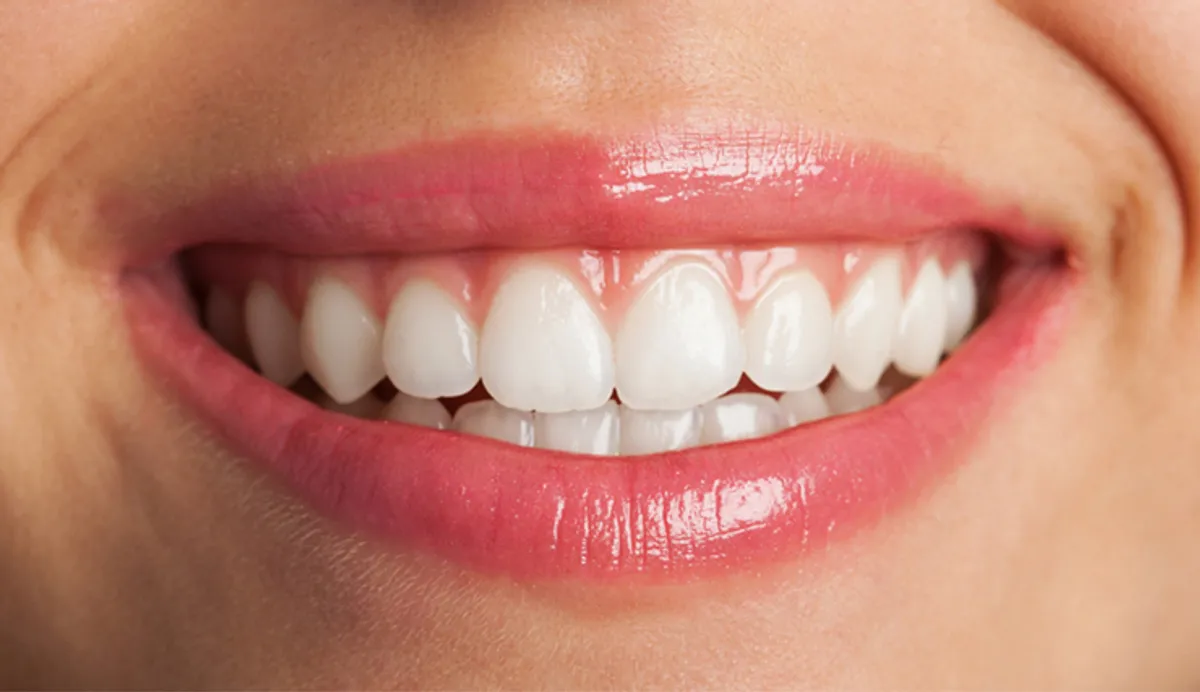
Tooth enamel is the hardest substance in the human body, yet it is constantly exposed to acids, bacteria, and everyday wear. Every time you eat or drink, the minerals in your enamel can undergo small changes as your mouth responds to its environment.
The good news is that early mineral loss does not always mean permanent tooth damage. Under the right conditions, enamel can regain some of the minerals it has lost through a natural process called remineralization.
However, there is an important distinction between early enamel damage and an established cavity. While weakened enamel may recover to some extent, a tooth cannot naturally rebuild a section of enamel that has already been physically destroyed.
Understanding how remineralization works can help you protect your teeth, recognize early signs of mineral loss, and know when professional dental care is necessary.
What Is Tooth Enamel?
Tooth enamel is the hard, outermost layer that covers the visible portion of each tooth. Its primary function is to protect the underlying dentin and pulp from physical, chemical, and bacterial damage.
Enamel is made primarily of mineral crystals, particularly a calcium phosphate structure called hydroxyapatite.
Although it is highly mineralized, enamel is not completely resistant to damage. It can gradually lose minerals when exposed to acids produced by oral bacteria or introduced through certain foods and beverages.
Unlike bone, enamel does not contain living cells that can continuously regenerate damaged tissue. Once a portion of enamel is physically lost, the body cannot grow it back.
However, the minerals within early, weakened enamel can be replenished through remineralization.
What Is Tooth Remineralization?
Remineralization is the natural process through which minerals are deposited back into weakened areas of tooth enamel.
Your mouth constantly goes through two opposing processes:
- Demineralization: Minerals leave the enamel when acids lower the pH of the mouth.
- Remineralization: Minerals return to the enamel through saliva and other sources, helping strengthen areas affected by early mineral loss.
When remineralization keeps pace with demineralization, the enamel can maintain its mineral balance.
Problems develop when mineral loss happens more frequently or extensively than the mouth can naturally repair.
Over time, repeated acid exposure can weaken enamel and eventually lead to cavity formation.
How Does the Remineralization Process Work?
Remineralization happens continuously throughout the day. It is supported by saliva, minerals, and certain protective ingredients in oral care products.
Here is how the process works.
Step 1: Acids Remove Minerals From Enamel
After consuming foods or drinks containing fermentable carbohydrates, oral bacteria can produce acids as they break down these substances.
These acids lower the pH of the mouth and can cause calcium and phosphate minerals to leave the enamel.
This process is called demineralization.
Step 2: Saliva Helps Neutralize Acids
Saliva plays an important role in restoring the mouth’s natural chemical balance.
It helps dilute and clear acids while providing bicarbonate and other substances that help neutralize acidity.
As the pH returns toward normal, the conditions become more favorable for remineralization.
Step 3: Minerals Return to the Enamel
Saliva contains calcium and phosphate ions that can be incorporated into weakened enamel.
These minerals help restore some of the mineral structure lost during acid exposure.
Step 4: Fluoride Supports Remineralization
Fluoride helps make enamel more resistant to future acid attacks.
When fluoride is present, it can promote the formation of a more acid-resistant mineral structure in the outer enamel.
This is one reason fluoride toothpaste is an important part of preventive dental care.
The process continues throughout the day, which is why maintaining a healthy oral environment matters.
What Causes Enamel to Lose Minerals?
Enamel mineral loss can happen for several reasons. Some are related to dietary habits, while others involve oral hygiene, saliva production, or underlying health factors.
1. Frequent Sugar Consumption
Sugar itself does not directly dissolve enamel. However, oral bacteria use fermentable carbohydrates, including sugars, to produce acids.
Frequent consumption of sugary foods and drinks can create repeated acid attacks.
The frequency of exposure matters. Sipping sweetened beverages throughout the day may keep the mouth in an acidic state for longer periods than consuming them during a meal.
2. Acidic Foods and Beverages
Some foods and drinks contain acids that can directly contribute to enamel erosion.
Examples include:
- Citrus fruits and juices.
- Soft drinks.
- Sports and energy drinks.
- Vinegar-based beverages.
- Certain flavored sparkling drinks.
Repeated exposure can gradually soften the enamel surface.
3. Inadequate Oral Hygiene
Plaque is a bacterial biofilm that accumulates on tooth surfaces.
When plaque is not removed regularly, bacteria can produce acids that contribute to mineral loss and cavity development.
Brushing twice daily with fluoride toothpaste and cleaning between teeth helps control plaque accumulation.
4. Reduced Saliva Production
Saliva helps neutralize acids and supplies minerals that support enamel remineralization.
When saliva production decreases, the mouth may have less protection against acid exposure.
This can increase the risk of mineral loss and dental decay.
5. Frequent Snacking
Eating or drinking frequently throughout the day gives oral bacteria repeated opportunities to produce acids.
Without sufficient recovery time between exposures, the balance may shift toward demineralization.
Can Early Enamel Damage Be Reversed?
In some cases, yes.
Early enamel demineralization can be improved through remineralization, particularly when the enamel surface remains intact.
One example is an early white spot lesion, which may appear as a chalky or opaque area on the tooth.
These white spots can indicate mineral loss beneath the enamel surface.
When identified early, certain lesions may be managed through improved oral hygiene, fluoride exposure, and changes in dietary habits.
However, not every white spot has the same cause. Some are related to developmental enamel differences rather than active demineralization.
A dentist can determine what is causing the change and recommend an appropriate approach.
What Is the Difference Between Remineralization and Cavity Repair?
This distinction is important because remineralization has limits.
Early Enamel Demineralization
During the early stages of mineral loss, the enamel surface may still be intact.
The affected area may be weakened beneath the surface, but it has not yet developed into a cavity that creates a physical hole in the tooth.
In certain cases, remineralization can help strengthen this area and slow or arrest the progression of the lesion.
An Established Cavity
Once decay has caused an actual breakdown of the enamel structure, the missing tooth material cannot naturally grow back.
At this stage, a dentist may need to remove the decayed portion and restore the tooth with an appropriate material, such as composite resin.
The treatment depends on the depth and extent of the damage.
Remineralization is therefore most useful as a preventive and early-intervention process, not as a replacement for restorative treatment when a cavity has already formed.
How Can Fluoride Help Strengthen Tooth Enamel?
Fluoride is one of the most established preventive tools used in dentistry.
It helps protect teeth by supporting remineralization and making the enamel more resistant to acid attacks.
When fluoride is present in the mouth, it can interact with calcium and phosphate to support the formation of fluoridated mineral structures within enamel.
These structures are generally more resistant to acid dissolution than ordinary hydroxyapatite.
There are several ways patients can receive fluoride exposure.
Fluoride Toothpaste
Brushing twice daily with fluoride toothpaste helps maintain fluoride availability on tooth surfaces.
Use an age-appropriate amount and follow your dentist’s recommendations.
Professional Fluoride Treatments
Dentists may apply concentrated fluoride products, such as fluoride varnish, to help protect teeth against decay.
These treatments may be particularly useful for patients with elevated cavity risk.
Fluoridated Drinking Water
Community water fluoridation is another source of fluoride exposure in areas where it is available.
It helps provide regular, low-level fluoride exposure that supports dental health.
Your dentist can assess your cavity risk and determine whether additional fluoride treatment may be beneficial.
Can You Remineralize Your Teeth Naturally at Home?
Daily habits can support your mouth’s natural remineralization process, although they cannot rebuild enamel that has already been lost.
Here are practical ways to help maintain a healthier mineral balance.
1. Brush with fluoride toothpaste.
Brush for two minutes twice daily. Fluoride helps strengthen enamel and makes it more resistant to future acid exposure.
2. Clean between your teeth.
Use dental floss or another appropriate interdental cleaner daily to remove plaque from areas that a toothbrush may not reach.
3. Drink water regularly.
Water helps maintain hydration and supports normal saliva production. Drinking water after meals can also help clear food debris.
4. Reduce frequent sugar exposure.
Limit repeated snacking on sugary foods and avoid continuously sipping sweetened beverages throughout the day.
5. Be mindful of acidic drinks.
Reduce frequent exposure to highly acidic beverages. After consuming acidic foods or drinks, rinse with water and wait approximately 30 to 60 minutes before brushing to avoid brushing softened enamel.
6. Support healthy saliva production.
Staying hydrated and addressing persistent dry mouth can help maintain the protective functions of saliva. Sugar-free gum may also stimulate saliva flow for some people.
These habits support enamel health, but they should not replace professional dental examinations.
Can Damaged Tooth Enamel Grow Back?
No. Once enamel has been physically worn away, chipped, or destroyed by a cavity, the body cannot regenerate that missing structure.
This is because mature enamel does not contain living cells capable of rebuilding it.
Remineralization can strengthen weakened areas where the enamel surface remains intact, but it cannot restore the original shape of a tooth after structural damage.
Depending on the condition of the tooth, a dentist may recommend treatments such as:
- Dental fillings for cavities.
- Dental bonding for certain minor areas of damage.
- Crowns for teeth with more extensive structural loss.
- Other restorative procedures based on the affected tooth.
The appropriate treatment depends on how much enamel and underlying tooth structure remain.
When Should You See a Dentist About Enamel Damage?
Early enamel changes do not always cause pain or noticeable symptoms.
This makes routine dental examinations important, particularly for patients with a history of cavities or frequent acid exposure.
Consider scheduling an evaluation if you notice:
- White or chalky patches on your teeth.
- Changes in the appearance or texture of enamel.
- New sensitivity to temperature or sweet foods.
- Visible pits or holes in a tooth.
- Areas that appear worn or thinner than before.
These signs can have different causes, so a dentist needs to examine the teeth before determining whether remineralization, preventive treatment, or restoration is appropriate.
Protect Your Tooth Enamel at Crown Dental Group in National City
Your enamel protects your teeth every day, but repeated acid exposure and poor oral hygiene can gradually weaken its structure.
Understanding remineralization is an important part of preventive dental care. With appropriate fluoride use, healthy daily habits, and regular dental examinations, early enamel changes may be managed before they progress into more extensive damage.
At Crown Dental Group, patients can receive dental examinations and preventive care to help identify early signs of decay, assess enamel health, and determine appropriate treatment options.
If you have noticed changes in your tooth surfaces or want to understand your risk of enamel damage, schedule a dental evaluation.
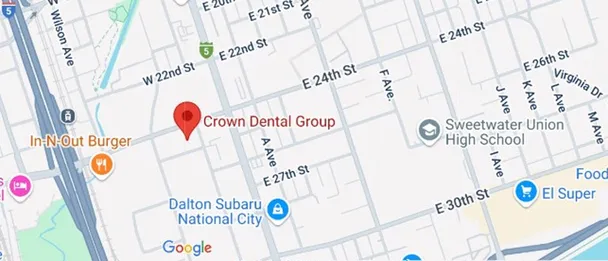
Crown Dental Group serves patients in National City and nearby communities, including Chula Vista, Bonita, and Imperial Beach.
Schedule your dental examination today.
- Crown Dental Group
- 2405 Transportation Ave
- National City, CA 91950
- Phone: (619) 474-6200
- Email: info@crowndentalnc.com
Frequently Asked Questions About Tooth Enamel Remineralization
1. Can tooth enamel repair itself naturally?
Early enamel mineral loss can sometimes be improved through remineralization. Saliva supplies calcium and phosphate, while fluoride helps strengthen enamel. However, enamel that has been physically lost cannot naturally grow back.
2. How long does it take to remineralize tooth enamel?
There is no fixed timeline. Remineralization is a continuous process, but visible improvements in early enamel lesions may take weeks or months and depend on the severity of mineral loss, fluoride exposure, oral hygiene, and dietary habits.
3. Can white spots on teeth disappear through remineralization?
Some white spots caused by early enamel demineralization may improve with appropriate preventive care. However, white spots can also result from developmental enamel conditions, so a dentist should determine their cause before recommending treatment.
4. Does fluoride really rebuild tooth enamel?
Fluoride does not regenerate missing enamel. Instead, it supports remineralization by helping minerals return to weakened enamel and making the surface more resistant to future acid attacks.
5. Can I remineralize my teeth without fluoride?
Saliva naturally supplies minerals that support remineralization. However, fluoride provides additional protection against acid-related mineral loss. A dentist can recommend an appropriate preventive approach based on your individual cavity risk.
6. Does drinking water help strengthen tooth enamel?
Water supports hydration and normal saliva production. It can also help rinse away food debris and dilute acids after eating. If your local water supply contains fluoride, it may provide an additional preventive benefit.
7. Can a cavity heal through remineralization?
Very early non-cavitated enamel lesions may be managed through remineralization and other preventive measures. However, once a cavity creates a physical hole in the tooth, the missing structure cannot grow back and restorative treatment may be necessary.
8. How can I prevent enamel demineralization?
Brush twice daily with fluoride toothpaste, clean between your teeth, limit frequent sugar and acid exposure, drink water regularly, and attend routine dental examinations. These habits help maintain a healthier oral environment and reduce the risk of enamel damage.
Find us here