5 Everyday Habits That Could Be Damaging Your Teeth Without You Knowing
Discover five everyday habits that may be damaging your teeth and gums and learn simple ways to protect your smile for years to come.
Your Daily Routine May Be Affecting Your Smile More Than You Think
Most people know they should brush twice a day, floss regularly, and visit the dentist for routine checkups. However, many people unknowingly practice everyday habits that slowly damage their teeth over time.
Unlike a chipped tooth caused by an accident or a sudden toothache from an infection, these habits often cause gradual damage. Because the changes happen little by little, they’re easy to overlook until significant problems develop.
The good news is that many of these habits are easy to correct once you’re aware of them.
At Crown Dental Group, patient education is a key part of preventive dentistry. Helping patients recognize harmful habits early can prevent unnecessary wear, fractures, gum problems, and costly dental treatments later.
Let’s take a closer look at five surprisingly common habits that may be putting your oral health at risk.
Habit #1: Using Your Teeth as Tools
Have you ever opened a package with your teeth?
Bitten off a clothing tag?
Held nails or screws in your mouth while working on a project?
Opened a bottle cap?
Many people use their teeth as convenient tools without thinking twice.
Unfortunately, your teeth were designed for chewing food—not opening packages or holding hard objects.
Why This Habit Is Dangerous
When excessive force is applied to a tooth, several things can happen:
- Small cracks may develop.
- Existing fillings may loosen.
- Crowns can become damaged.
- Teeth may chip.
- Enamel may weaken.
Sometimes the damage isn’t immediately visible.
Tiny fractures may gradually worsen over months or years until the tooth suddenly breaks.
Better Alternatives
Instead of using your teeth, keep simple tools nearby such as:
- Scissors
- Bottle openers
- Utility knives
- Wire cutters
Your teeth should only be used for eating.
Habit #2: Chewing Ice
Some people enjoy chewing the ice left in the bottom of a drink.
Although ice seems harmless because it’s simply frozen water, it is extremely hard.
Chewing ice places tremendous pressure on enamel.
What Can Happen?
Repeated ice chewing may lead to:
- Chipped teeth
- Cracked teeth
- Broken fillings
- Crown damage
- Increased sensitivity
Even healthy teeth can fracture under enough pressure.
Why Cold Makes It Worse
Besides the physical pressure, extreme temperature changes can also place stress on teeth.
Repeated exposure to very cold temperatures may contribute to enamel fatigue over time.
If you enjoy chewing after finishing a drink, consider sugar-free gum instead.
Habit #3: Brushing Too Hard
Many people believe brushing harder means cleaning better.
In reality, aggressive brushing often causes more harm than good.
Your toothbrush doesn’t need excessive pressure to remove plaque.
Signs You’re Brushing Too Hard
You may be brushing too aggressively if you notice:
- Worn toothbrush bristles after only a few weeks
- Gum recession
- Tooth sensitivity
- Small grooves near the gumline
- Bleeding gums
Over time, excessive brushing can wear away enamel and damage gum tissue.
The Right Technique
Use:
- A soft-bristled toothbrush
- Gentle circular motions
- Light pressure
Think of brushing as polishing your teeth rather than scrubbing them.
Habit #4: Constant Snacking
Many people snack throughout the day without realizing how it affects their teeth.
Every time you eat, bacteria inside your mouth feed on carbohydrates and sugars.
As they digest these foods, they produce acids.
Those acids attack enamel.
Why Frequency Matters
Surprisingly, how often you eat is sometimes more important than how much you eat.
Imagine these two scenarios:
Person A
Eats dessert after dinner.
Person B
Eats small sugary snacks every hour throughout the day.
Person B exposes their teeth to repeated acid attacks almost continuously.
Saliva doesn’t have enough time to neutralize the acids between snacks.
Better Snacking Choices
If you need a snack, consider:
- Cheese
- Plain yogurt
- Nuts
- Fresh vegetables
- Apples
These foods are generally less likely to contribute to tooth decay than sugary or sticky snacks.
Habit #5: Ignoring Small Dental Problems
One of the most damaging habits isn’t something you do—it’s something you don’t do.
Many patients ignore:
- Mild sensitivity
- Small chips
- Occasional bleeding gums
- Loose fillings
- Minor toothaches
Because symptoms seem manageable, it’s tempting to wait.
Unfortunately, dental problems rarely improve on their own.
Small Problems Become Bigger Problems
For example:
A tiny cavity may eventually require:
- A larger filling
- A crown
- A root canal
Bleeding gums may progress into periodontal disease.
A small crack may eventually split the tooth.
Early treatment almost always leads to simpler and more conservative care.
Bonus Habit: Drinking Sugary Beverages Throughout the Day
Many people avoid candy but unknowingly expose their teeth to sugar all day long through beverages.
Examples include:
- Soda
- Sweet tea
- Sports drinks
- Energy drinks
- Sweetened coffee
- Fruit juice
Sipping these drinks over several hours repeatedly bathes the teeth in sugar and acid.
Each sip restarts the cavity process.
Water Is Still the Best Choice
Water helps:
- Rinse away food particles
- Support saliva production
- Neutralize acids
- Protect enamel
Choosing water more often is one of the easiest ways to improve oral health.
Bonus Habit: Skipping Flossing
Many people brush faithfully but rarely floss.
Unfortunately, toothbrushes cannot reach every surface of the teeth.
Plaque often accumulates:
- Between teeth
- Beneath the gumline
- Around dental work
These are common locations for:
- Cavities
- Gum disease
- Bad breath
Flossing once each day removes plaque from areas brushing simply cannot reach.
Bonus Habit: Grinding Your Teeth
Many patients don’t realize they grind their teeth because it happens while they sleep.
Stress, anxiety, and bite issues may contribute to nighttime grinding.
Over time, grinding may cause:
- Worn enamel
- Tooth sensitivity
- Jaw pain
- Cracked teeth
- Headaches
A custom night guard can help protect teeth from excessive forces while sleeping.
How Everyday Habits Add Up
None of these habits usually causes immediate damage.
Instead, they create gradual wear over months or years.
Think of them like slowly bending a paper clip.
One bend won’t break it.
Hundreds of bends eventually will.
Your teeth respond similarly.
Small daily stresses accumulate over time.
This is why prevention is so valuable.
Protecting Your Smile Every Day
Healthy teeth depend on consistent daily habits.
Simple steps include:
Brush Gently
Use proper technique instead of excessive force.
Floss Every Day
Clean areas your toothbrush cannot reach.
Drink More Water
Stay hydrated and reduce acid exposure.
Eat Balanced Meals
Choose foods that support healthy teeth and gums.
Avoid Using Teeth as Tools
Protect enamel from unnecessary stress.
Visit Your Dentist Regularly
Routine examinations help detect problems before they become serious.
Why Prevention Is Always Easier Than Repair
Modern dentistry offers outstanding solutions for restoring damaged teeth.
However, preserving natural tooth structure is always the preferred approach.
Preventive care often means:
- Less treatment
- Lower costs
- Greater comfort
- Better long-term outcomes
Healthy habits today can prevent significant dental work tomorrow.
Frequently Asked Questions
Can chewing ice really crack a tooth?
Yes. Ice is extremely hard and can cause fractures, especially in weakened teeth.
Is brushing harder better?
No. Gentle brushing with a soft-bristled toothbrush removes plaque effectively while protecting enamel and gums.
How often should I snack?
Limiting frequent snacking gives saliva time to neutralize acids and protect enamel.
Why shouldn’t I use my teeth to open packages?
Using teeth as tools places excessive force on enamel and increases the risk of cracks and chips.
Can small chips wait?
Small chips should be evaluated because they may worsen over time.
Does sipping coffee all morning hurt my teeth?
If the coffee contains sugar, frequent sipping repeatedly exposes teeth to cavity-causing bacteria. Even black coffee is acidic, so drinking water afterward can help reduce acid exposure.
Why is flossing so important?
Floss removes plaque and food particles between teeth where toothbrushes cannot reach.
Are these habits really enough to cause serious dental problems?
Yes. While a single occurrence may not cause noticeable damage, repeated habits over months and years can significantly affect oral health.
Small Habits Make a Big Difference
Your smile is shaped not only by the big decisions you make but also by the small habits you repeat every day. Using your teeth as tools, chewing ice, brushing too hard, snacking constantly, and ignoring minor dental problems may seem harmless at the moment, but over time they can lead to cavities, cracked teeth, gum disease, and costly restorative treatment.
The encouraging news is that these habits are often easy to change. Small improvements in your daily routine can have a lasting impact on your oral health and help preserve your natural teeth for years to come.
At Crown Dental Group, we believe prevention is the foundation of excellent dental care. By combining healthy habits at home with regular dental checkups, you can protect your smile, reduce your risk of future problems, and enjoy stronger, healthier teeth for life.
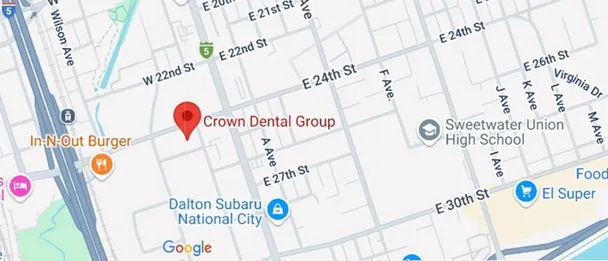
Find us here