Why Your Gums Matter Just As Much As Your Teeth
Learn why healthy gums are essential for a healthy smile, how gum disease develops, and what you can do to protect your oral health.
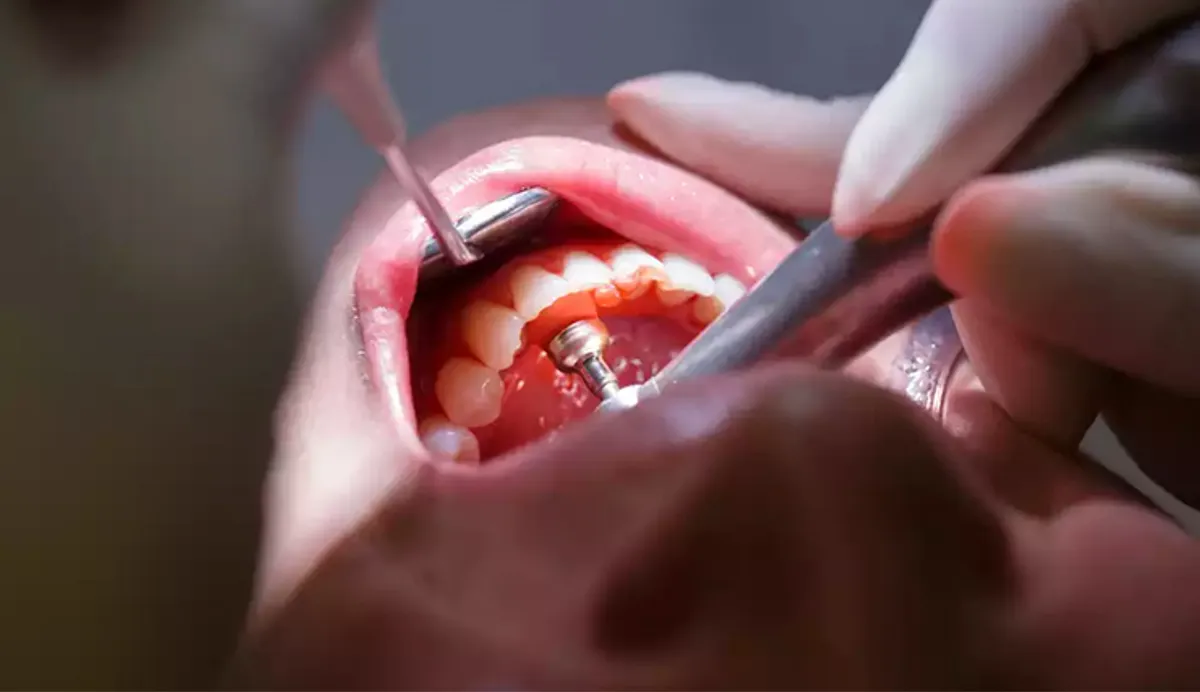
When People Think About Oral Health, They Usually Think About Teeth
When most people picture a healthy smile, they focus on bright, white teeth. They think about preventing cavities, avoiding toothaches, and maintaining a beautiful smile.
But there is another part of your mouth that deserves just as much attention: your gums.
Your gums are the foundation that supports your teeth. Without healthy gum tissue and the bone beneath it, even perfectly healthy teeth can become loose and eventually fall out. In fact, gum disease is one of the leading causes of tooth loss among adults.
At Crown Dental Group, we often remind patients that oral health is about much more than preventing cavities. Healthy gums are essential for maintaining a strong, comfortable, and functional smile throughout life.
Understanding how gum health affects your teeth—and your overall health—can help you take steps to protect your smile for years to come.
What Exactly Are Your Gums?
Your gums, also known as gingival tissue, are the soft tissues that surround and protect your teeth.
They serve several important functions:
- Protect tooth roots
- Create a seal around teeth
- Help support underlying bone
- Prevent bacteria from reaching deeper structures
- Provide stability for teeth
Healthy gums fit snugly around the teeth and form a protective barrier against harmful bacteria.
Without this barrier, infection can more easily reach the supporting tissues beneath the surface.
Your Teeth Depend on More Than Enamel
Many people assume teeth stay in place because they are embedded directly into the jawbone.
The reality is more complex.
Each tooth is supported by a sophisticated system that includes:
- Gum tissue
- Periodontal ligaments
- Cementum
- Jawbone
Together, these structures form what dentists call the periodontal system.
When the periodontal system remains healthy, teeth stay stable and functional.
When disease affects these structures, the entire support system becomes compromised.
Why Gum Health Is Often Overlooked
One reason gum disease is so common is because it often develops without causing significant pain.
Many patients assume that if their teeth do not hurt, their oral health must be fine.
Unfortunately, gum disease frequently progresses quietly.
Early symptoms may seem minor or insignificant.
These can include:
- Mild bleeding during brushing
- Occasional swelling
- Persistent bad breath
- Slight gum tenderness
Because these symptoms are often painless, many individuals ignore them.
This allows the disease process to continue.
Understanding Gingivitis
Gingivitis is the earliest stage of gum disease.
It develops when plaque accumulates along the gumline.
Plaque is a sticky film containing bacteria.
If plaque is not removed through brushing and flossing, the bacteria begin irritating the surrounding tissues.
The body’s immune system responds with inflammation.
This inflammation causes:
- Redness
- Swelling
- Bleeding
The good news is that gingivitis is often reversible when treated early.
Professional cleanings and improved oral hygiene can often restore gum health before permanent damage occurs.
What Happens When Gingivitis Is Ignored?
When gingivitis remains untreated, it may progress into periodontitis.
Periodontitis is a more advanced form of gum disease that affects the deeper structures supporting the teeth.
At this stage:
- The gums begin pulling away from the teeth
- Pockets form beneath the gumline
- Bacteria spread deeper
- Bone loss begins
Unlike gingivitis, periodontitis can cause permanent damage.
While treatment can help manage the condition, lost bone and tissue do not always regenerate naturally.
This is why early detection is so important.
How Gum Disease Leads to Tooth Loss
Many patients are surprised to learn that gum disease—not cavities—is one of the leading causes of adult tooth loss.
The reason is simple.
As periodontal disease progresses, the supporting structures around the teeth begin deteriorating.
Bone loss reduces stability.
The periodontal ligaments weaken.
Eventually, teeth may become loose.
Without sufficient support, even healthy teeth may need to be extracted.
The tooth itself may remain intact while the foundation beneath it fails.
This highlights why gum health is every bit as important as tooth health.
The Warning Signs of Gum Disease
Recognizing symptoms early can help prevent serious complications.
Common warning signs include:
Bleeding Gums
Healthy gums should not bleed during brushing or flossing.
Bleeding is often one of the first indicators of inflammation.
Persistent Bad Breath
Bacterial buildup beneath the gumline can contribute to chronic bad breath.
Red or Swollen Gums
Inflammation frequently causes visible changes in gum appearance.
Gum Recession
When gums pull away from teeth, roots become exposed.
Tooth Sensitivity
Exposed roots may increase sensitivity to hot and cold temperatures.
Loose Teeth
Advanced gum disease may affect tooth stability.
Patients experiencing any of these symptoms should schedule a professional evaluation.
What Causes Gum Disease?
Several factors can contribute to periodontal problems.
Poor Oral Hygiene
Inadequate brushing and flossing allow plaque to accumulate.
Tobacco Use
Smoking significantly increases the risk of gum disease.
Diabetes
Diabetes affects the body’s ability to fight infection and heal properly.
Genetics
Some individuals are genetically more susceptible to periodontal disease.
Hormonal Changes
Pregnancy, menopause, and hormonal fluctuations may affect gum health.
Stress
Chronic stress can influence immune function and increase inflammation.
Understanding risk factors allows patients to take proactive steps toward prevention.
The Connection Between Gum Health and Overall Health
The mouth is not isolated from the rest of the body.
Research continues to reveal important connections between oral health and systemic health.
Chronic inflammation associated with gum disease has been linked to:
- Heart disease
- Diabetes
- Stroke
- Respiratory conditions
- Pregnancy complications
While research continues to evolve, it is clear that maintaining healthy gums contributes to overall wellness.
Diabetes and Gum Disease
The relationship between diabetes and gum disease is particularly important.
Individuals with diabetes are often more vulnerable to infections, including periodontal disease.
At the same time, untreated gum disease may make blood sugar management more difficult.
This two-way relationship highlights the importance of regular dental care for diabetic patients.
Healthy gums support healthier blood sugar control.
The Impact of Gum Recession
Gum recession occurs when gum tissue gradually pulls away from the teeth.
As recession progresses:
- More tooth structure becomes exposed
- Sensitivity may increase
- Aesthetic concerns develop
- Root surfaces become vulnerable to decay
Many people assume recession is simply part of aging.
While aging can contribute, recession often results from factors such as:
- Gum disease
- Aggressive brushing
- Teeth grinding
- Bite issues
Addressing the cause early can help slow progression.
Why Professional Cleanings Matter
Even individuals who brush and floss consistently develop plaque in hard-to-reach areas.
Over time, plaque hardens into tartar.
Unlike plaque, tartar cannot be removed with a toothbrush.
Professional cleanings help remove:
- Plaque
- Tartar
- Bacterial buildup
Regular cleanings are one of the most effective ways to prevent gum disease.
They allow dental professionals to identify concerns before they become severe.
The Role of Periodontal Treatment
When gum disease develops, professional treatment may be necessary.
Treatment depends on the severity of the condition.
Options may include:
Deep Cleaning
Also known as scaling and root planing, this procedure removes bacteria and tartar from beneath the gumline.
Periodontal Maintenance
Patients with a history of gum disease may require more frequent maintenance visits.
Improved Home Care
Customized recommendations help patients maintain healthier gums between appointments.
The goal is to control infection and preserve supporting structures.
How Healthy Gums Support Cosmetic Dentistry
Patients often focus on cosmetic treatments such as veneers, crowns, or whitening.
However, healthy gums are essential for achieving attractive and lasting results.
Even the most beautiful restorations depend on stable, healthy supporting tissues.
Gum health provides the framework that allows cosmetic dentistry to succeed.
Protecting Your Gums at Home
Fortunately, maintaining healthy gums does not require complicated routines.
Simple habits make a significant difference.
Brush Twice Daily
Use a soft-bristled toothbrush and fluoride toothpaste.
Floss Every Day
Floss removes plaque from areas brushing alone cannot reach.
Avoid Tobacco Products
Smoking greatly increases periodontal disease risk.
Eat a Balanced Diet
Proper nutrition supports healthy tissues and immune function.
Attend Regular Dental Visits
Routine exams and cleanings remain critical for prevention.
Consistency is often more important than perfection.
Frequently Asked Questions
Why do my gums bleed when I brush?
Bleeding gums often indicate inflammation and should be evaluated.
Is gum disease reversible?
Gingivitis is often reversible with proper care. More advanced periodontal disease can usually be managed but may cause permanent damage.
Can healthy teeth fall out because of gum disease?
Yes. Gum disease affects the supporting structures around teeth and can eventually lead to tooth loss.
Does gum disease hurt?
Not always. Many patients experience little or no pain during the early stages.
What causes gum recession?
Common causes include gum disease, aggressive brushing, teeth grinding, and genetics.
How often should I have professional cleanings?
Your dentist will recommend a schedule based on your individual needs and risk factors.
Can gum disease affect overall health?
Research suggests connections between periodontal disease and several systemic health conditions.
Is bad breath related to gum disease?
Persistent bad breath can be one of the warning signs of periodontal problems.
Healthy Gums Are the Foundation of a Healthy Smile
When it comes to oral health, teeth often receive most of the attention. However, your gums play an equally important role in maintaining a strong, functional, and attractive smile.
Healthy gums support your teeth, protect underlying structures, and contribute to overall wellness. Ignoring gum health can lead to inflammation, bone loss, tooth mobility, and even tooth loss over time.
At Crown Dental Group, we believe prevention is the key to long-term oral health. Through regular dental visits, professional cleanings, and good daily habits, patients can protect their gums and preserve their smiles for years to come.
Remember: healthy teeth need healthy gums. Taking care of both is one of the best investments you can make in your oral health.
Find us here