Signs Your Mouth Is Trying to Tell You Something Is Wrong
Learn the common warning signs of oral health problems and discover when symptoms like bleeding gums, bad breath, and tooth sensitivity require professional dental care.

Your Mouth Often Knows Something Is Wrong Before You Do
The human body has an incredible ability to communicate when something needs attention. A headache may signal dehydration. Fatigue can indicate stress, illness, or lack of sleep. Similarly, your mouth often provides early warning signs that something is affecting your oral health.
Unfortunately, many people dismiss these symptoms because they seem minor or temporary. A little bleeding while brushing, occasional bad breath, mild sensitivity, or a small sore inside the mouth may not seem urgent. However, these seemingly small issues can sometimes indicate larger underlying problems.
At Crown Dental Group, we believe one of the most important aspects of preventive dentistry is helping patients recognize these warning signs early. Many dental conditions are easier, faster, and less expensive to treat when they are identified before significant damage occurs.
Understanding what your mouth may be trying to tell you can help protect not only your smile but your overall health as well.
Why Oral Health Problems Often Develop Quietly
Unlike sudden injuries, many dental conditions progress gradually.
Cavities, gum disease, tooth wear, and even oral infections often begin with subtle symptoms.
Because these changes occur slowly, many patients adapt to them without realizing it.
For example:
- A person may become accustomed to occasional gum bleeding.
- Bad breath may seem normal after a while.
- Sensitivity may be ignored because it comes and goes.
The challenge is that symptoms rarely improve on their own.
Instead, they often become more noticeable as the underlying condition progresses.
Warning Sign #1: Bleeding Gums
One of the most common signs that something may be wrong is bleeding gums.
Many people assume bleeding during brushing or flossing is normal.
It isn’t.
Healthy gums should not bleed during routine oral hygiene.
What Causes Bleeding Gums?
Bleeding is often a sign of inflammation.
The most common cause is plaque accumulation along the gumline.
When bacteria remain on teeth and gums, the body’s immune system responds with inflammation.
This may lead to:
- Redness
- Swelling
- Tenderness
- Bleeding
Gingivitis: The Earliest Stage of Gum Disease
Bleeding gums are frequently associated with gingivitis.
Gingivitis is the earliest stage of gum disease and is often reversible with professional care and improved oral hygiene.
However, when left untreated, gingivitis can progress into periodontal disease, which can result in bone loss and tooth loss.
Warning Sign #2: Persistent Bad Breath
Everyone experiences bad breath occasionally.
Morning breath, certain foods, and temporary dry mouth are common causes.
However, persistent bad breath that does not improve with brushing or mouthwash may indicate an underlying problem.
Causes of Chronic Bad Breath
Common causes include:
- Gum disease
- Tooth decay
- Dry mouth
- Oral infections
- Food particles trapped between teeth
- Bacterial buildup on the tongue
Bad breath often develops because bacteria produce sulfur compounds that create unpleasant odors.
If the source of the problem is not addressed, the odor typically returns.
Why Mouthwash Isn’t Always the Solution
Many products temporarily mask bad breath.
However, masking symptoms is different from treating the cause.
Professional evaluation can help determine why the odor is occurring and what steps are needed to resolve it.
Warning Sign #3: Tooth Sensitivity
Have you ever felt a sharp sensation when drinking something cold?
Does hot coffee occasionally cause discomfort?
Tooth sensitivity is one of the most common reasons patients schedule dental appointments.
While sensitivity may seem minor, it often signals an underlying issue.
Common Causes of Sensitivity
Several conditions can expose the inner portions of the tooth.
These include:
- Enamel erosion
- Gum recession
- Cavities
- Cracked teeth
- Worn fillings
- Teeth grinding
Once protective enamel is compromised, stimuli can reach the sensitive dentin layer beneath.
When Sensitivity Should Be Evaluated
Occasional sensitivity may not always indicate serious damage.
However, persistent or worsening sensitivity should never be ignored.
Early diagnosis often allows for simpler treatment options.
Warning Sign #4: Loose Teeth
Adult teeth should feel stable and secure.
If a tooth begins feeling loose or mobile, it is important to seek dental care promptly.
What Causes Teeth to Become Loose?
Several factors may contribute:
- Advanced gum disease
- Bone loss
- Dental trauma
- Bite problems
- Infection
Many patients are surprised to learn that gum disease is one of the leading causes of tooth loss in adults.
Why Early Treatment Matters
The earlier bone loss and periodontal disease are identified, the better the chances of preserving natural teeth.
Ignoring mobility often allows the condition to worsen.
Warning Sign #5: Dry Mouth
Saliva is one of the mouth’s most important protective mechanisms.
It helps:
- Wash away bacteria
- Neutralize acids
- Protect enamel
- Support digestion
When saliva production decreases, oral health risks increase.
Symptoms of Dry Mouth
Patients may notice:
- Constant thirst
- Sticky feeling in the mouth
- Difficulty swallowing
- Frequent cavities
- Burning sensations
Common Causes
Dry mouth may result from:
- Certain medications
- Diabetes
- Dehydration
- Medical conditions
- Aging
Because saliva helps prevent decay, chronic dry mouth should be evaluated.
Warning Sign #6: Mouth Sores That Don’t Heal
Most mouth sores heal within one to two weeks.
However, any sore that persists longer than expected deserves professional attention.
Possible Causes
Persistent sores may result from:
- Irritation
- Infection
- Trauma
- Autoimmune conditions
- Oral cancer
While most sores are harmless, evaluation is important whenever healing does not occur normally.
Why Oral Cancer Screenings Matter
Routine dental visits include examinations of the soft tissues of the mouth.
Early detection significantly improves treatment outcomes for oral cancer and other abnormalities.
Warning Sign #7: Pain When Chewing
Chewing should not be painful.
Discomfort while biting or chewing often indicates that something requires attention.
Potential Causes
Pain may be associated with:
- Cracked teeth
- Cavities
- Infections
- Bite problems
- Damaged restorations
Some patients only experience discomfort when pressure is applied to a specific tooth.
This symptom often provides valuable clues during diagnosis.
Warning Sign #8: Receding Gums
Gum recession occurs when gum tissue gradually pulls away from the teeth.
As recession progresses, more of the tooth root becomes exposed.
Signs of Recession
Patients may notice:
- Longer-looking teeth
- Increased sensitivity
- Notches near the gumline
- Changes in appearance
Common Causes
Recession may result from:
- Gum disease
- Aggressive brushing
- Teeth grinding
- Genetics
- Bite imbalances
Early intervention can help prevent further tissue loss.
Warning Sign #9: Frequent Cavities
Occasional cavities are common.
However, repeatedly developing new cavities may indicate a larger issue.
Possible Contributing Factors
These may include:
- Dry mouth
- Diet high in sugar
- Inadequate oral hygiene
- Existing dental restorations
- High bacterial activity
Understanding the root cause can help reduce future decay.
Warning Sign #10: Jaw Pain and Headaches
Oral health problems are not always limited to teeth and gums.
Jaw discomfort and headaches can sometimes indicate issues involving the bite or jaw joints.
Common Causes
Possible contributors include:
- Teeth grinding
- Clenching
- TMJ disorders
- Bite misalignment
Many patients are unaware that dental conditions may contribute to facial pain and chronic headaches.
Why Symptoms Sometimes Disappear
One of the most dangerous assumptions patients make is believing a problem resolved because symptoms disappeared.
For example:
A toothache may suddenly stop.
This may not indicate healing.
Instead, it may mean the nerve inside the tooth has died.
The infection may still be present.
Similarly, gum disease can continue progressing without pain.
Symptoms do not always reflect the severity of the condition.
The Connection Between Oral Health and Overall Health
The mouth is closely connected to the rest of the body.
Research has linked oral health to conditions such as:
- Diabetes
- Heart disease
- Stroke
- Respiratory illnesses
Inflammation and infection within the mouth may affect overall wellness.
This is one reason why preventive dental care is an important part of maintaining general health.
Why Routine Dental Exams Matter
Many oral health problems can be detected before symptoms appear.
Routine examinations allow dentists to identify:
- Early decay
- Gum disease
- Cracks
- Oral abnormalities
- Failing restorations
Detecting issues early often means:
- Less invasive treatment
- Lower costs
- Better outcomes
Preventive care remains one of the most valuable tools available for preserving oral health.
Frequently Asked Questions
Are bleeding gums normal?
No. Healthy gums should not bleed during brushing or flossing.
What causes chronic bad breath?
Common causes include gum disease, cavities, dry mouth, and bacterial buildup.
Is tooth sensitivity serious?
Sensitivity may indicate cavities, enamel wear, gum recession, or other issues that should be evaluated.
Can gum disease develop without pain?
Yes. Gum disease often progresses silently during its early stages.
Why do my teeth feel loose?
Loose teeth may indicate bone loss, periodontal disease, trauma, or other conditions.
Should I worry about mouth sores?
Any sore that persists longer than two weeks should be examined.
Can dental problems cause headaches?
Yes. Grinding, clenching, and bite issues may contribute to headaches and facial discomfort.
How often should I have dental checkups?
Regular examinations help identify problems early and support long-term oral health.
Listen to What Your Mouth Is Trying to Tell You
Your mouth is often one of the first places where health concerns appear. Symptoms such as bleeding gums, bad breath, tooth sensitivity, dry mouth, loose teeth, and persistent sores should never be ignored.
While some issues may seem minor, they can signal underlying conditions that become more serious over time. The good news is that early diagnosis and treatment often lead to better outcomes, lower costs, and a healthier smile.
At Crown Dental Group, we believe that prevention starts with awareness. Paying attention to the signals your mouth provides—and scheduling regular dental visits—can help protect your oral health for years to come.
Sometimes the smallest symptoms carry the most important messages. The key is knowing when to listen.
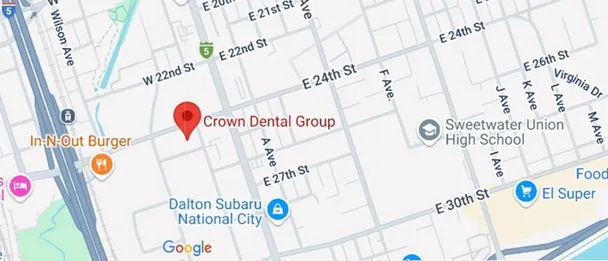
Find us here